Half of All CPAP Users Quit.
And Nobody Talks About What Happens Next.
If you were prescribed a CPAP machine, you were told it would change your life.
And maybe it did — for a while.
But if you're honest with yourself, you know the machine hasn't been on your face as often as it should be. Maybe it sits on your nightstand more than it goes on your face. Maybe you've tried every mask, every strap, every pressure adjustment — and it still feels like sleeping inside a scuba tank.
You're not alone.
Research shows that nearly 50% of people prescribed a CPAP machine abandon it within the first year. Not because they don't care about their health. But because sleeping with a machine strapped to your face every single night — through every toss, every turn, every trip to the bathroom — is genuinely, objectively hard.
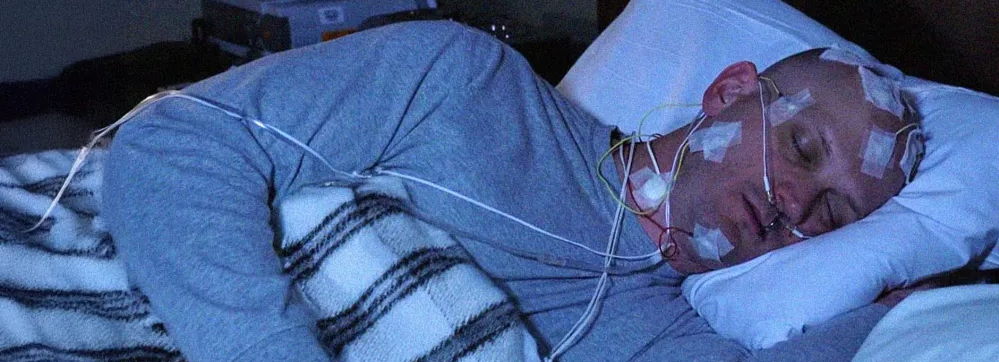
The problem is what happens when the CPAP goes unused.
Sleep Apnea doesn't take a night off just because the machine does.
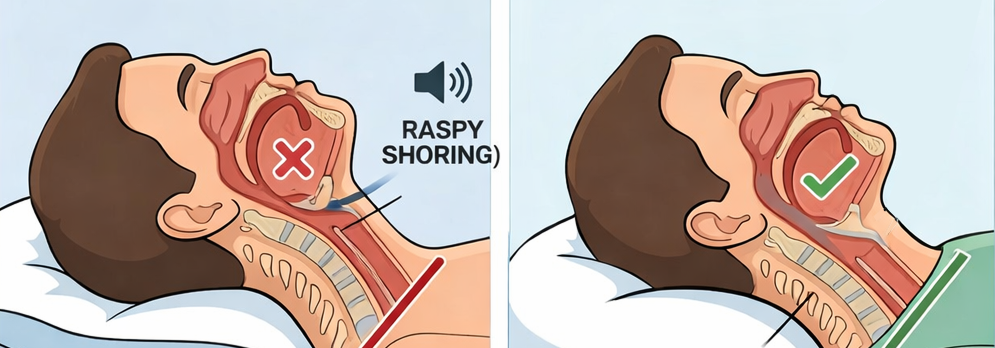
While you sleep, your airway collapses. Your breathing stops — sometimes for 10 seconds, sometimes for a minute or more. Your brain jolts you awake just enough to breathe again. You don't remember it. But your body does.
This cycle can repeat itself hundreds of times a night.
Over time, the consequences compound. High blood pressure. Heart strain. Memory problems. Chronic fatigue that no amount of coffee fixes.
And then there's the number that stopped us cold:
People with untreated Sleep Apnea have an average life expectancy of 65.4 years — compared to the national average of 79. That's nearly 14 years.
14 years of mornings with your spouse. 14 more Thanksgivings. Graduations, grandchildren, ordinary Tuesday afternoons that you just don't get.
Not because of a dramatic diagnosis. Because of a condition that millions of Americans are quietly managing — or quietly not managing — every single night.